Your cart is empty.
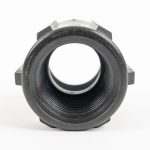
Coupling – FTP
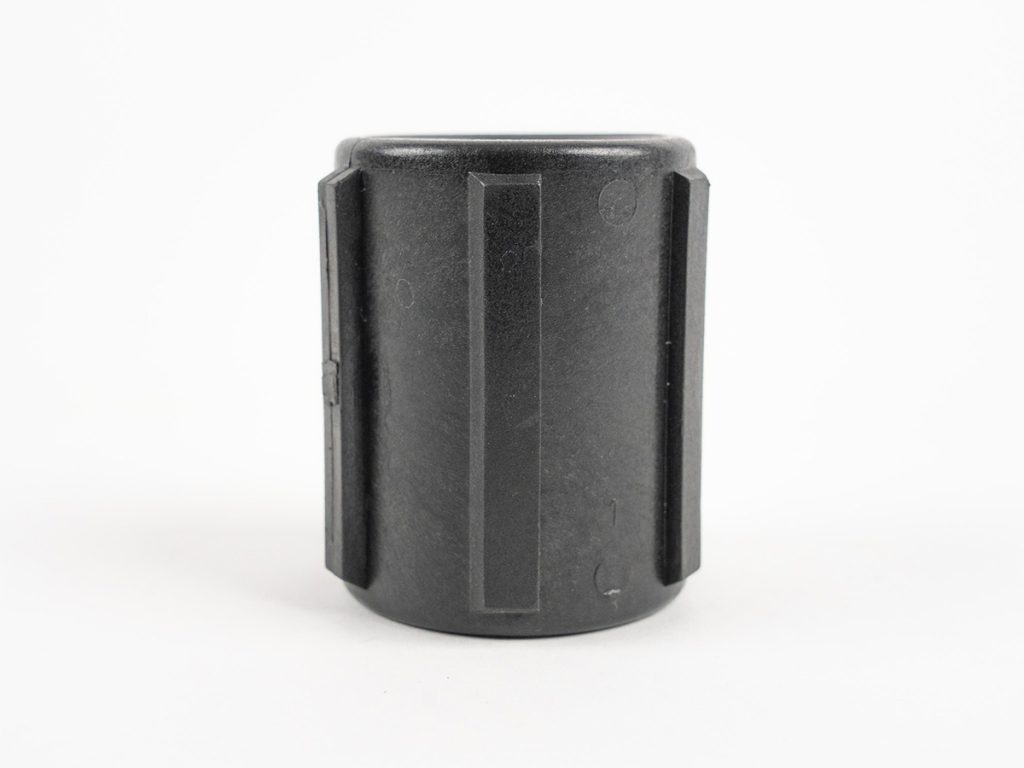
Specs
Variations
1 in | 2 in | 3 in
Product Description
This Female Pipe Thread Coupling extends, bridges, or terminates pipelines without welding or gluing in rigid or flexible layouts.
Made of heavy-duty, glass-reinforced polypropylene, these threaded fittings join straight, male-threaded pipe sections. They also adapt tank outlets used in heavy-duty fluid-handling systems. In either use, they provide a durable, leak-proof seal.
Available in Three Sizes:
• 62239: 1-inch FNPT Pipe Coupling, Standard operating fluid pressure
• 62194: 2-inch FNPT Pipe Coupling, Standard operating fluid pressure
• 62242: 3-inch FNPT Schedule 80 Pipe Coupling, 150 PSI at 21°C/90 PSI at 65°C
Female Pipe Thread Coupling Applications
- Agricultural fluid systems: Farm irrigation, liquid fertilizer, and chemical spraying lines.
- Water storage: Reliable links for connecting valves, drainage lines, or intake hoses to storage tank bulkhead fittings.
- Industrial fluid handling: Transferring liquid chemicals that would damage metallic fittings in non-pressurized or low-to-medium pressure conditions.
- Harvesting rainwater: Routing high-volume flow from catchments to storage reservoirs.
Features
- Threaded FPT x FPT connection: With precision-moulded female threads on either end, this one-piece coupling forms tight mechanical joint seals with two MPT (male pipe thread) fittings or nipples. No chemical adhesives are required.
- Glass-reinforced polypropylene material and Schedule 80 wall rating: Yields superior structural strength, rigidity and impact, UV, and chemical resistance. Walls will not rust, scale, or pit, even when exposed to acids, salts, halogens, and other harsh chemicals.
- Tight friction seal: The tapered female NPT thread tightens more as you thread it onto a male NPT end.
- Easy to install, disassemble, clean, adjust, and move: Tightens mostly by hand, finished by one short wrench turn. With no glue, it comes apart effortlessly.
- More cost-effective than Metal Fittings: Offers the same structural strength as stainless steel or exotic alloys in low-pressure situations. It’s also lighter for lower shipping costs and tolerates chemicals that metal fittings can’t handle.